
CBSE Primary
Building strong foundations for lifelong learning through the CBSE Foundational and Preparatory Stages at Skill Stork International School.
Explore the CBSE Foundational and Preparatory Stages at Skill Stork International School: Building Strong Foundations for Lifelong Learning
The CBSE curriculum for Grades 1 to 5 integrates the foundational and preparatory stages. Grades 1 and 2 form the foundational stage, while Grades 3 to 5 constitute the preparatory stage.
Our full-day schedule is designed to provide a nurturing and enriching experience for children. We offer a bagless, boxless, and homework-free environment, promoting a healthy balance between school and family life.

Panchkosh Vikas: A Five-Fold Development, a Keystone in Indian Tradition

- Physical Development (Sharirik Vikas): Focus on health through physical education and co-curricular activities, ensuring students build strength, agility, and overall fitness.
- Life Energy Development (Pranik Vikas): Enhance vitality via yoga and mindfulness, helping students improve focus, resilience, and mental clarity.
- Emotional Development (Manasik Vikas): Build emotional intelligence and interpersonal skills to help students manage feelings and relationships effectively.
- Intellectual Development (Bauddhik Vikas): Foster critical thinking and academic excellence by encouraging curiosity, innovation, and analytical abilities.
- Spiritual Development (Chaitsik Vikas): Cultivate inner peace and values, guiding students toward self-awareness and ethical living.


Panchaadi: A Five Step Learning Process
Aditi
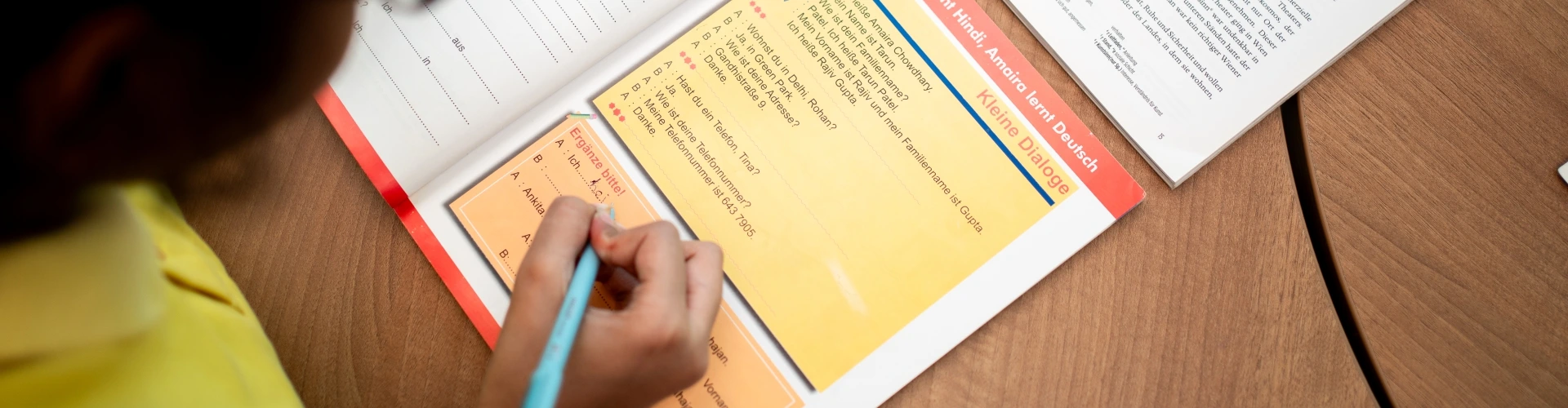
Connecting Knowledge and Inspiring CuriosityAt Skill Stork, each day begins with Aditi, the custom of introducing a new concept by connecting it to children's prior knowledge through questioning, exploration, and experimentation. This approach nurtures intellectual and emotional development, critical thinking, and curiosity. By fostering positive learning habits, Aditi inspires children to embrace each day with enthusiasm and a thirst for knowledge.
Bodh
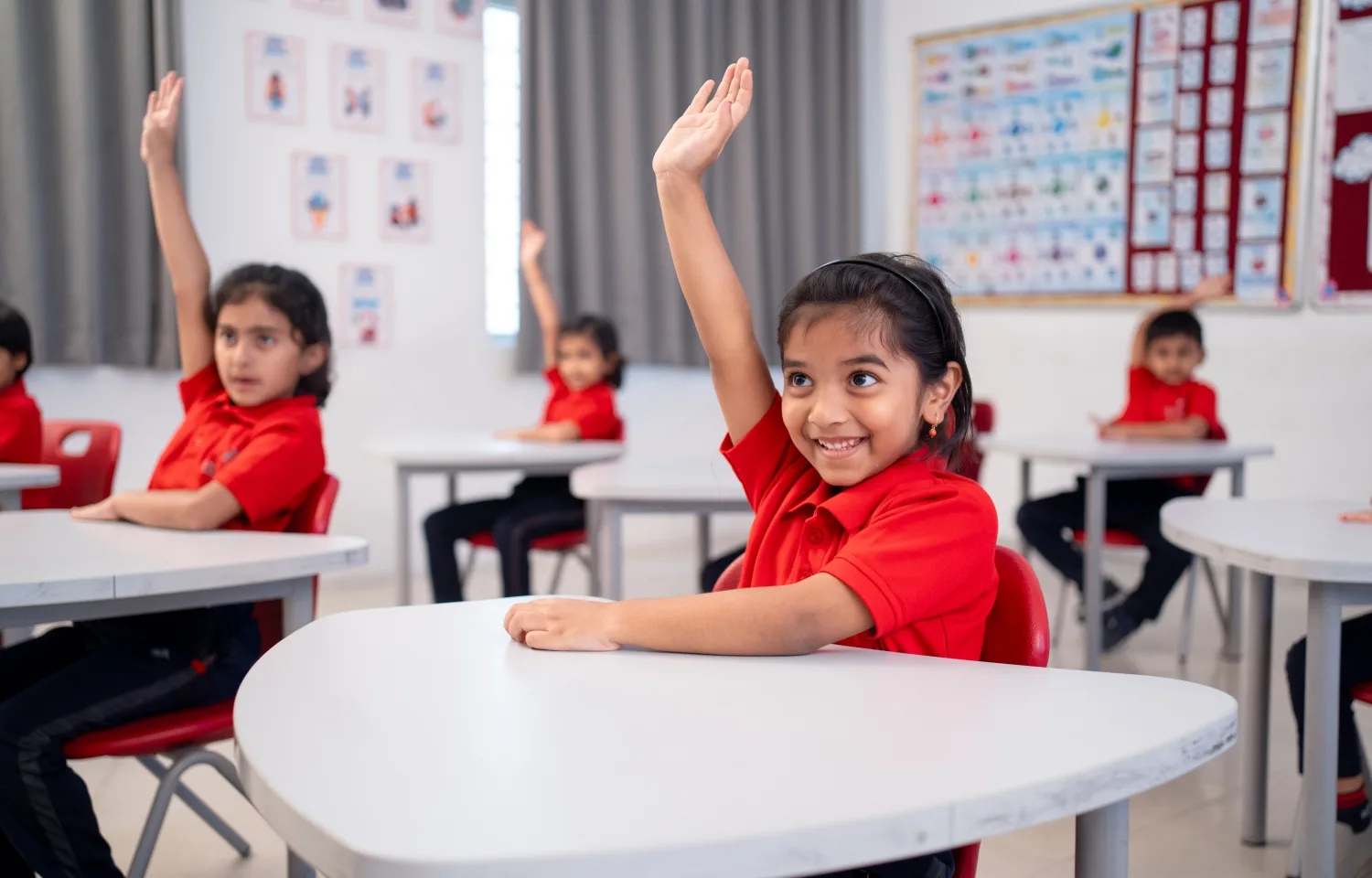
Fostering Conceptual Understanding through ExplorationOnce children are meaningfully connected to their learning environment, we follow the Bodh approach as outlined by the NCF, where children explore core concepts through play, inquiry, and experiments, guided by teachers. This fosters conceptual understanding and deeper learning. We also promote physical development through sensory experiences and mental growth through memory, focus, and imagination, enhancing cognitive abilities and coordination.
Abhyas
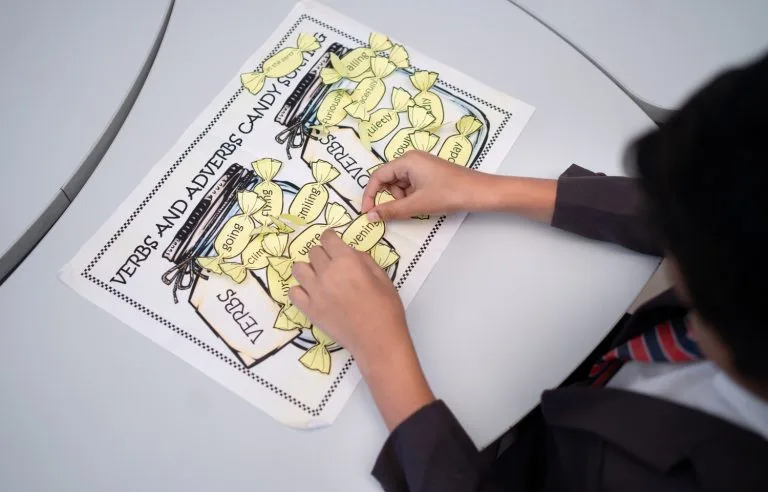
Reinforcing Learning through Practice and CollaborationThe NCERT curriculum emphasises Abhyas, the practice essential for deepening understanding and long-term retention. At Skill Stork, we nurture Abhyas through collaborative tasks to build socio-emotional skills and focus on individual problem-solving. By integrating daily healthy eating habits, sports practice, and arts with core subjects like math, students develop a well-rounded, holistic perspective that enhances cognitive development and overall well-being.
Prayog
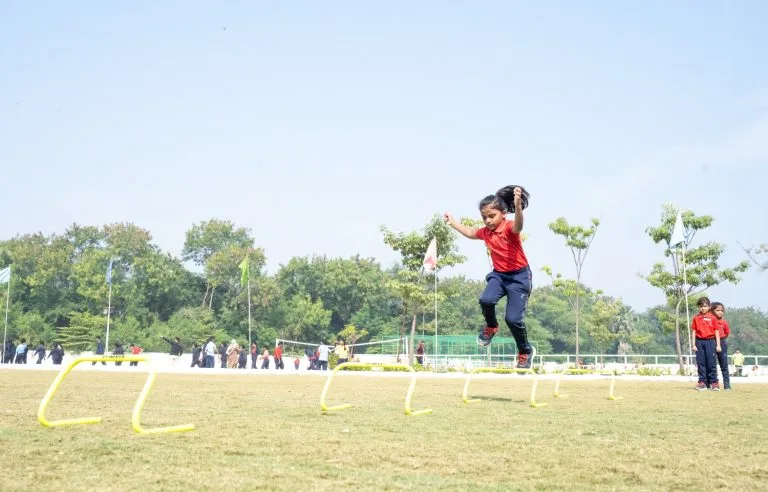
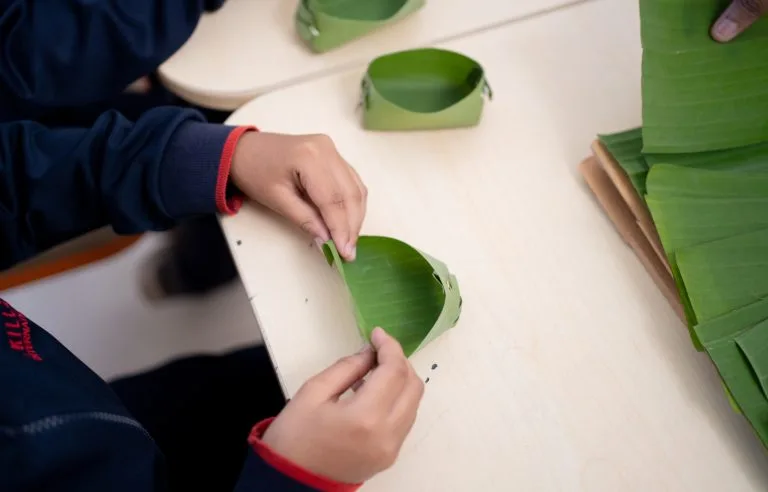
Bridging Theory with Real-World ApplicationAt Skill Stork, we foster a deeper understanding of concepts by emphasising Prayog, the practical application of theoretical knowledge. We encourage children to translate what they learn into real-world contexts. Through hands-on activities, project-based learning, and environmental stewardship, students explore local art forms, embrace sustainability principles, and develop innovative skills to reduce waste, promoting a sense of environmental responsibility.
Prasar
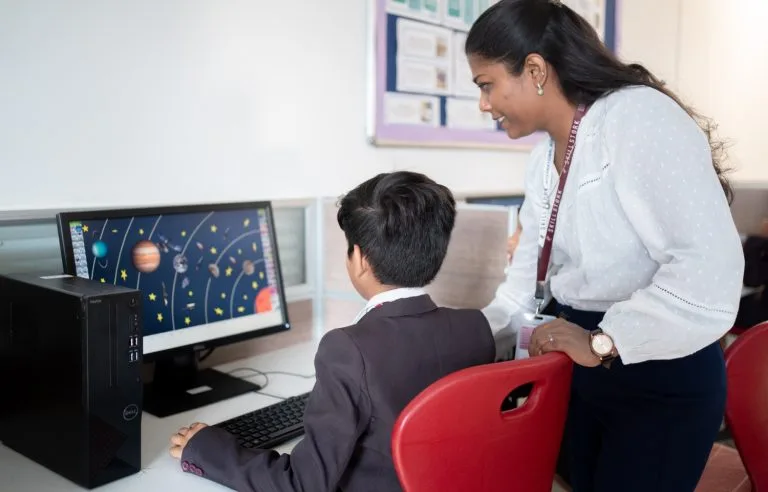
Spreading Knowledge and Embracing the Digital FutureIn today's digital age, the expansion of knowledge is inherently tied to technology. NCERT advocates for Prasar, which involves sharing and spreading acquired knowledge, as a crucial step in deepening understanding. At Skill Stork, we encourage children to disseminate their learning through discussions, storytelling, and teaching. Additionally, we incorporate ICT tools to foster creativity and equip them for a rapidly evolving digital landscape.
Basha Paripalan: Fostering Language Skills and Cultural Heritage
Languages are crucial in the CBSE curriculum, with English as the medium of instruction, Hindi as the national language, and Telugu as the local language. NCERT integrates cultural stories like Panchatantra and Hitopadesh, promoting moral lessons, cultural pride, and social-emotional development while strengthening language skills in LSRW.

Subject Ladder: Climbing Towards Advanced Learning
In the CBSE primary years, the Subject Ladder approach supports intellectual development. Students begin with basic concepts and progressively deepen their understanding. For example, in math, they move from drawing simple 2D shapes in Grade 1 and 2 to learning about 3D shapes and tessellations using shapes in Grades 3 to 5, ensuring a solid grasp of concepts over time.

Prashast: Ensuring Inclusive and Effective Learning
At Skill Stork, we follow NCERT's PRASHAST guidelines to identify children at risk of learning disabilities, ensuring accurate diagnosis and avoiding unnecessary labelling. With parental consultation and consent, we offer remedial semi-residential classes from 3:30 to 5:30 PM, enabling teachers to implement individualised education plans for improved learning outcomes.

Kala Vikas: Embracing Heritage Through Art and Culture
At our school, we integrate local art forms into learning through visual arts, dance, and music. Students explore regional folk arts and classical dances, and conventional music, fostering creativity and cultural pride. Festivals, performances, and exhibitions celebrate traditions, nurturing a connection to their roots and appreciation for India's rich artistic heritage.

Give Your Child a Strong Foundation
Discover how Skill Stork's CBSE Primary programme blends academic rigour with holistic development for Grades 1 to 5.