
Multilingual Learning
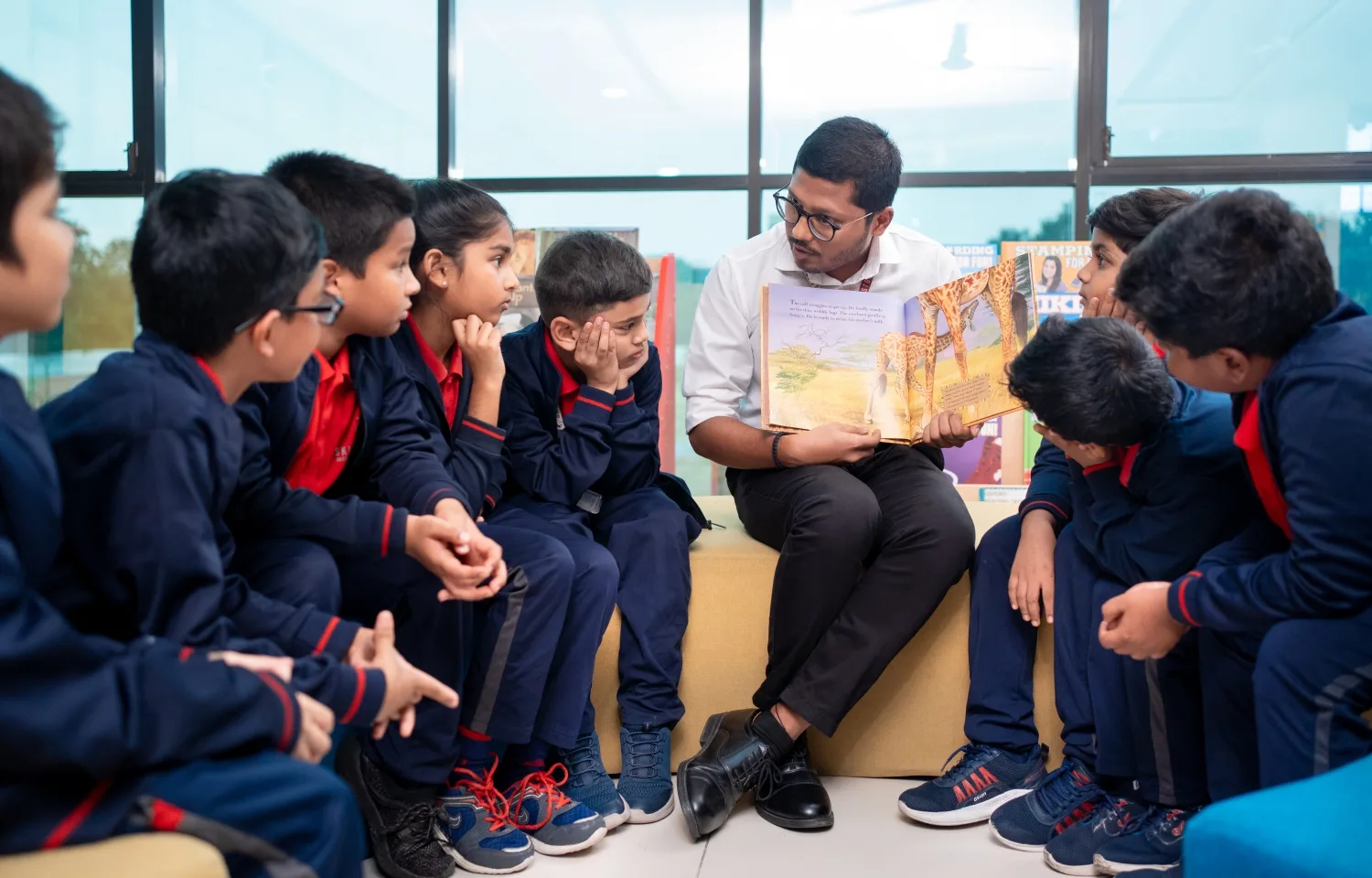
Multilingualism is the ability to communicate effectively in multiple languages. It encompasses the coexistence of several languages within individuals, families, communities, and societies. In today's interconnected world, multilingualism reflects our cultural and linguistic diversity, enabling individuals to navigate seamlessly across different cultural contexts. It also fosters understanding, respect, and collaboration among people from various linguistic backgrounds.
Benefits of Being Multilingual
Enhanced Cognitive Skills
Multilingual individuals often demonstrate improved problem-solving, creativity, and critical thinking. Learning multiple languages sharpens memory and enhances multitasking skills.
Academic & Professional Advantages
Proficiency in multiple languages is increasingly recognised as a vital skill. Multilinguals often perform better academically and have access to a broader range of career opportunities worldwide.
Cultural Awareness & Empathy
Multilingualism fosters cross-cultural understanding and sensitivity, enabling individuals to appreciate and adapt to diverse perspectives in multicultural societies and workplaces.
Global Connectivity
With business, scholarship, and travel becoming more globalised, being multilingual ensures effective communication and collaboration in international settings.
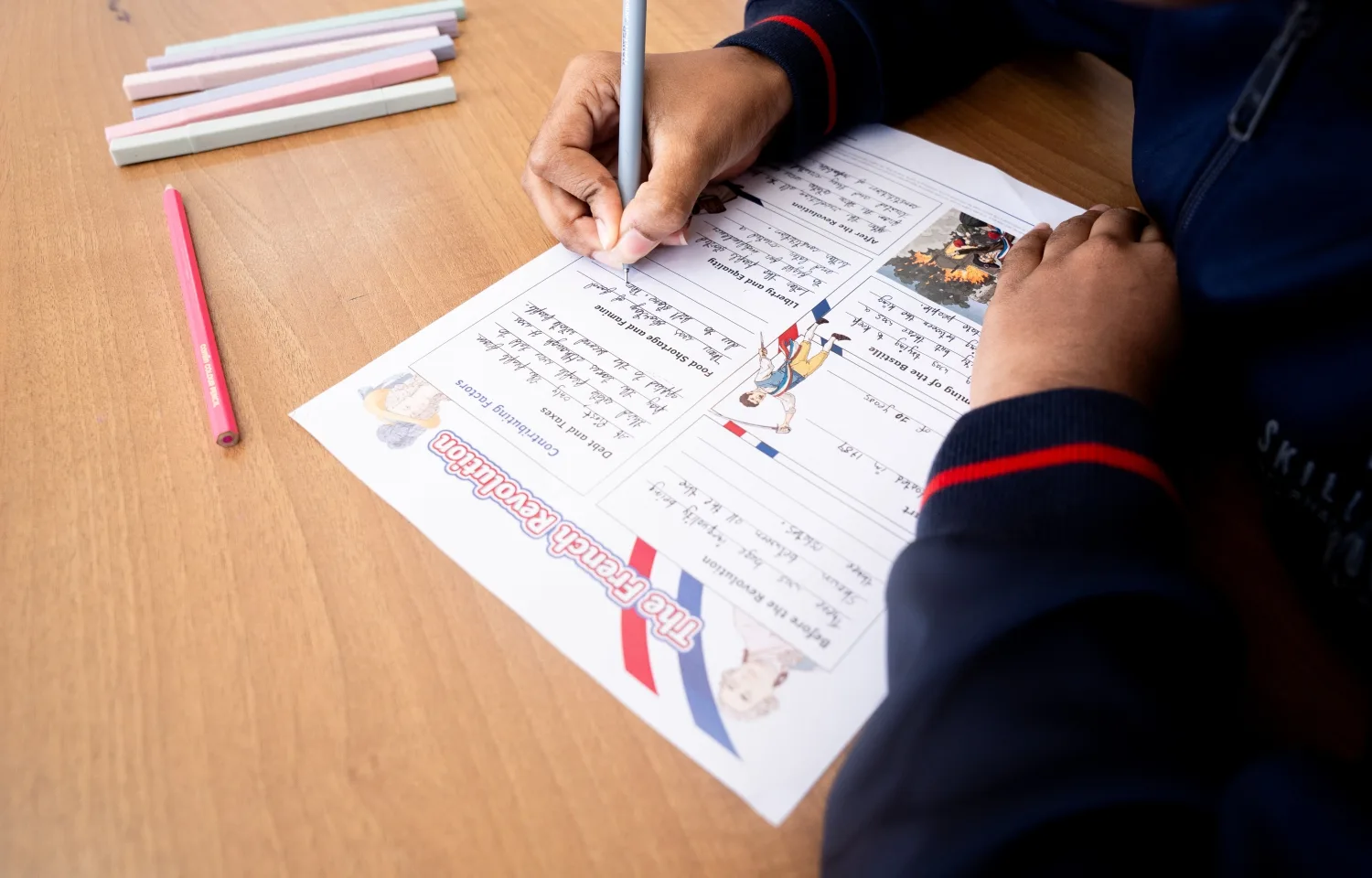
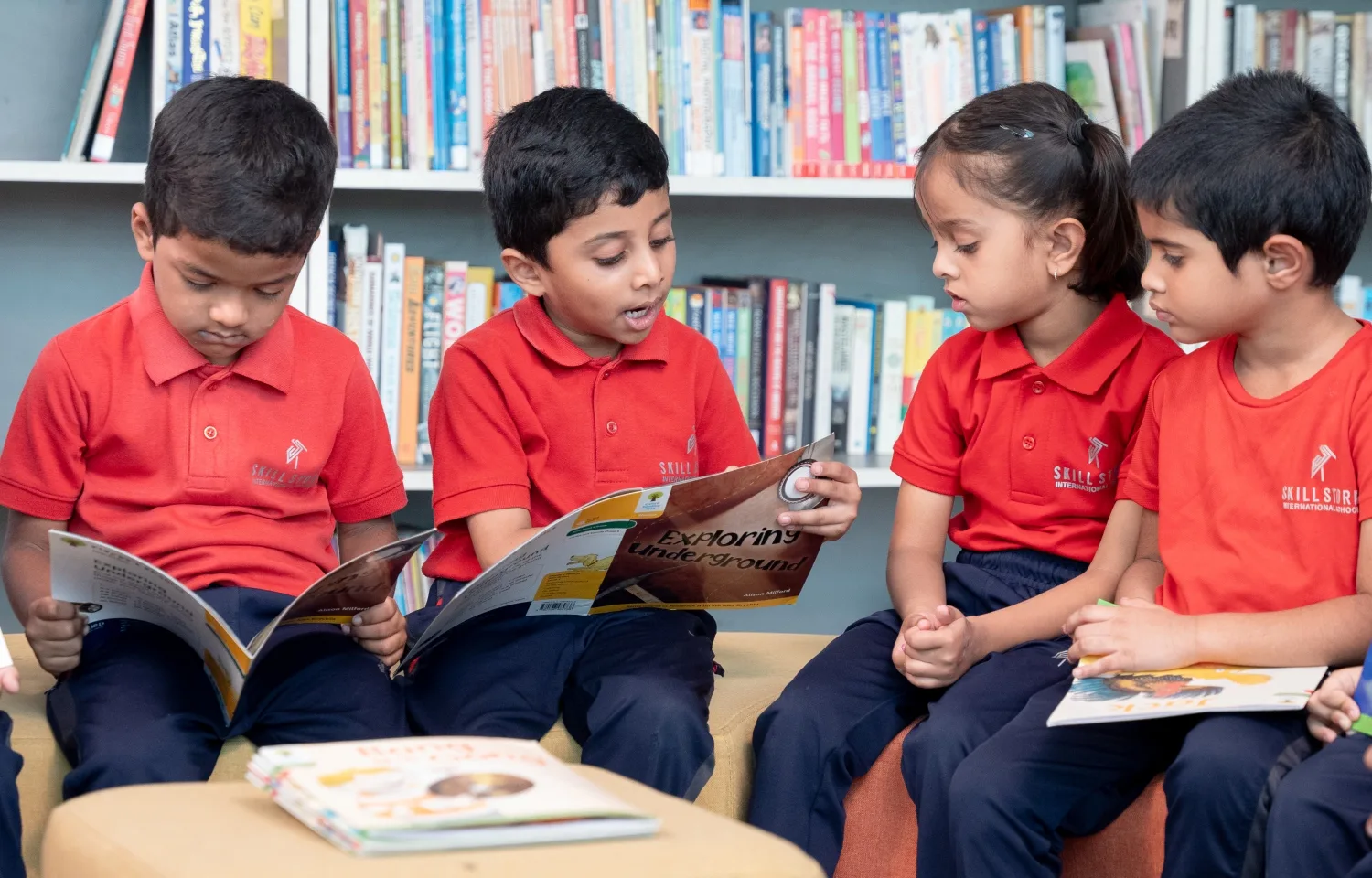
Skill Stork International School embraces the multilingual reality of the 21st century by offering a robust language programme across its curriculum — from Nursery through Grade 12, across both National and International streams.
| Grade | Age | National Programme | International Programme |
|---|---|---|---|
| Nursery | 3–4 yrs | English | English |
| PP1 | 4–5 yrs | English | English |
| PP2 | 5–6 yrs | English · Introduce Hindi | English · Introduce Hindi |
| Grade 1 | 6–7 yrs | English · Hindi · Introduce Telugu | English · Hindi · Introduce Telugu · Introduce French |
| Grade 2 | 7–8 yrs | English · Hindi · Telugu | English (1st, CEFR) · Hindi (2nd) · French (2nd) · Telugu (2nd) |
| Grade 3 | 8–9 yrs | English · Hindi (2nd) · Telugu (2nd) | English (1st, CEFR) · Hindi (2nd) · French (2nd) · Telugu (2nd) |
| Grade 4 | 9–10 yrs | English · Hindi · Telugu | English (1st, CEFR) · Hindi (2nd) · French (2nd) · Telugu (2nd) |
| Grade 5 | 10–11 yrs | English · Hindi · Telugu | English (1st, CEFR) · Hindi (2nd) · French (2nd) · Telugu (2nd) |
| Grade 6 | 11–12 yrs | English (1st) · Telugu (2nd/3rd) · Hindi (2nd/3rd) | English (1st) · Hindi (2nd) · French (2nd) · Telugu (3rd) · German (3rd) |
| Grade 7 | 12–13 yrs | English (1st) · Telugu (2nd/3rd) · Hindi (2nd/3rd) | English (1st) · Hindi (2nd) · French (2nd) · Telugu (3rd) · German (3rd) |
| Grade 8 | 13–14 yrs | English (1st) · Telugu (2nd/3rd) · Hindi (2nd/3rd) | English (1st) · Hindi (2nd) · French (2nd) · Telugu (3rd) · German (3rd) |
| Grade 9 | 14–15 yrs | English · Telugu or Hindi (2nd) | English (1st) · Hindi/French/German (2nd) · Telugu (Awareness) |
| Grade 10 | 15–16 yrs | English · Telugu or Hindi (2nd) | English (1st) · Hindi/French/German (2nd) · Telugu (Awareness) |
| Grade 11 | 16–17 yrs | English · Telugu or Hindi (Humanities) | English (1st) · Hindi or French (2nd) · Telugu (Awareness) |
| Grade 12 | 17–18 yrs | English · Telugu or Hindi (Humanities) | English (1st) · Hindi or French (2nd) · Telugu (Awareness) |
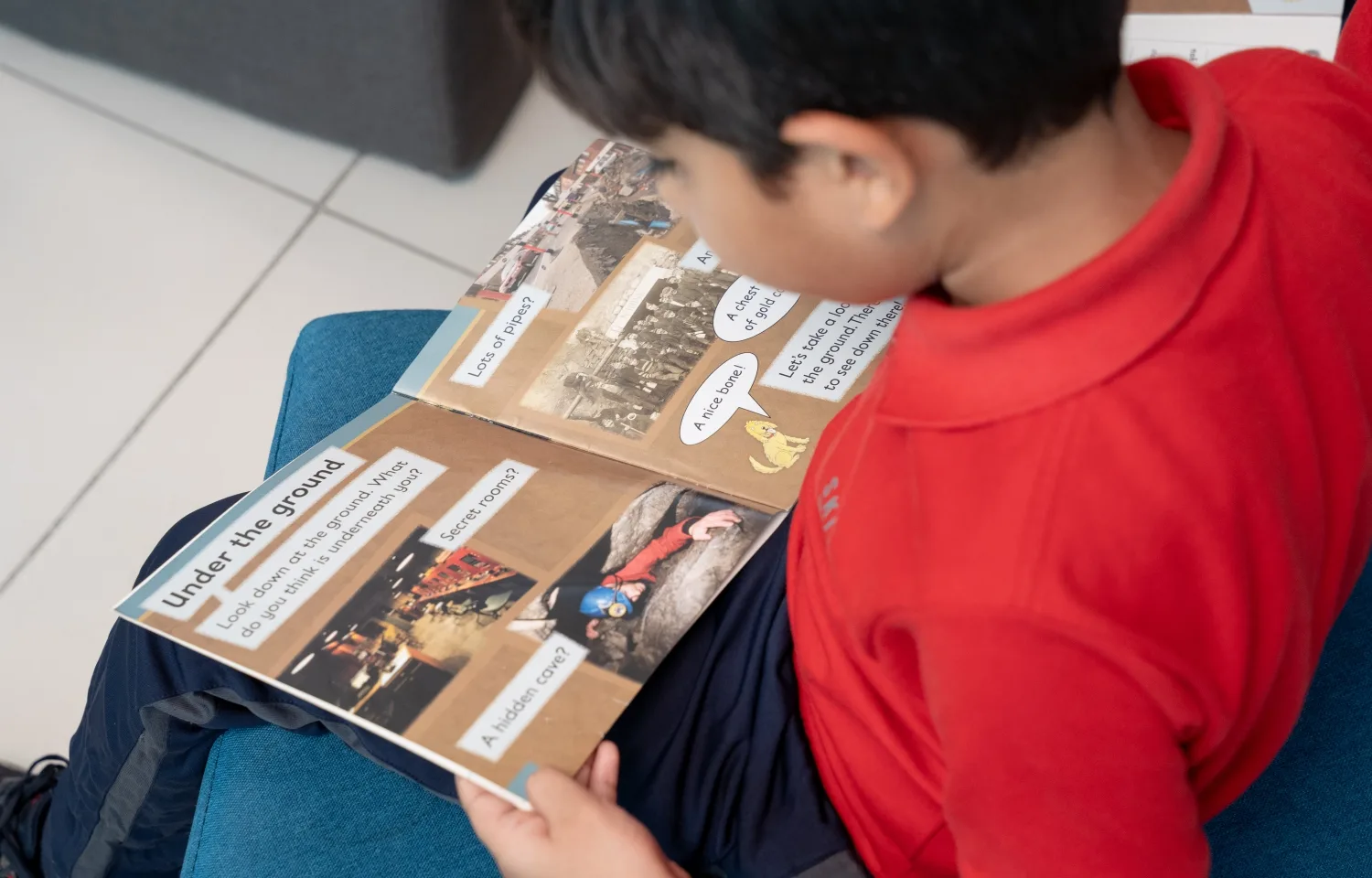
Oxford Reading Program
Skill Stork extensively uses the Oxford Reading Program from Nursery to Grade 5. This programme builds foundational literacy skills by engaging students with level-appropriate texts, fostering vocabulary development, reading fluency, and comprehension. The systematic approach ensures students progress in a structured manner, enabling them to achieve linguistic confidence at an early age.

Use of Library Resources
The school's well-equipped library offers a vast collection of multilingual books, digital resources, and research materials. Students are encouraged to explore literature in different languages, enhancing their vocabulary, comprehension, and cultural awareness. Regular library sessions foster a habit of reading and lifelong learning.
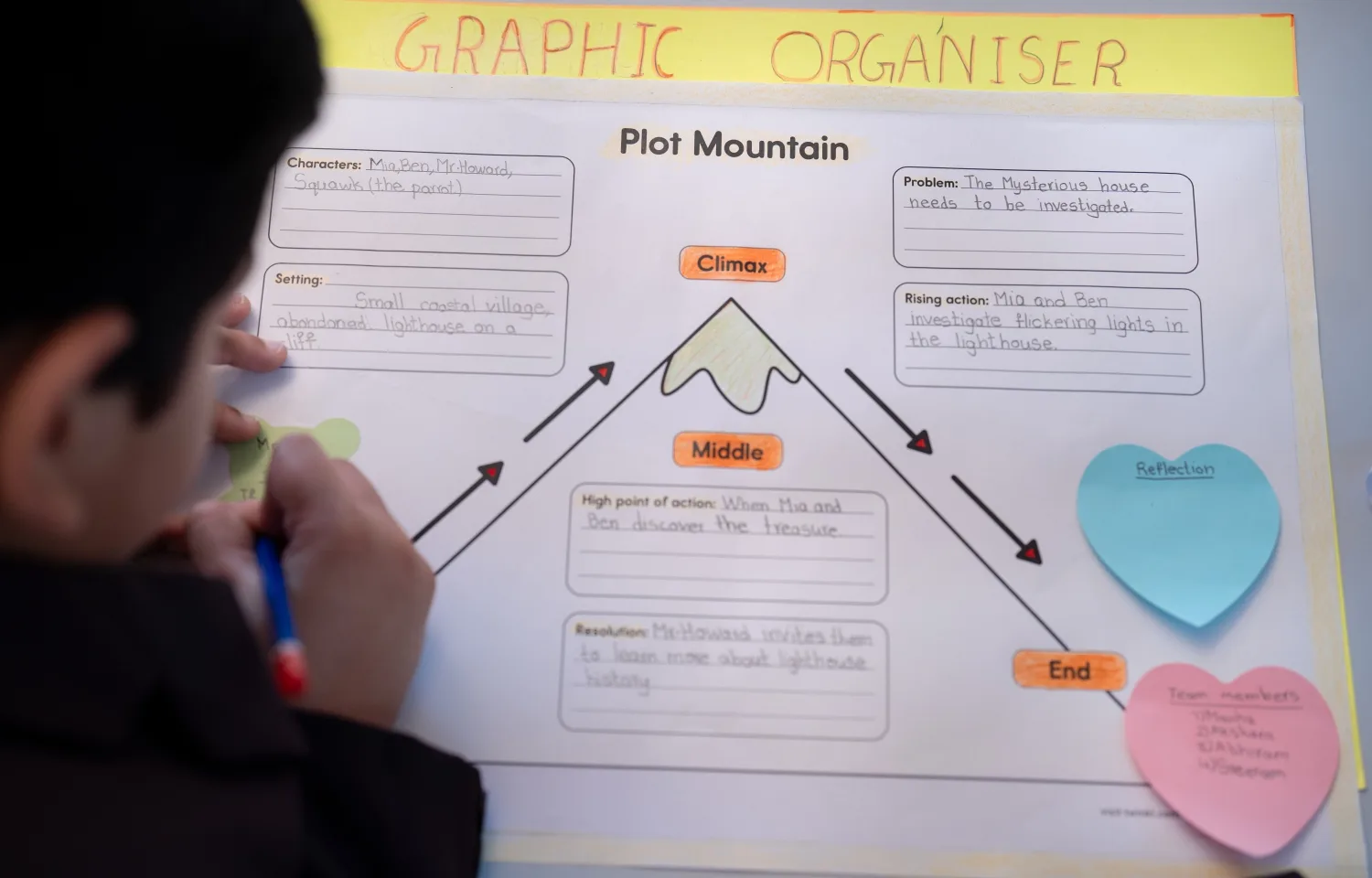
Immersive Learning Environments
Students are encouraged to practise their language skills through debates, creative writing, and interactive activities like language clubs and cultural festivals. These immersive experiences develop confidence, fluency, and a genuine appreciation for diverse languages.
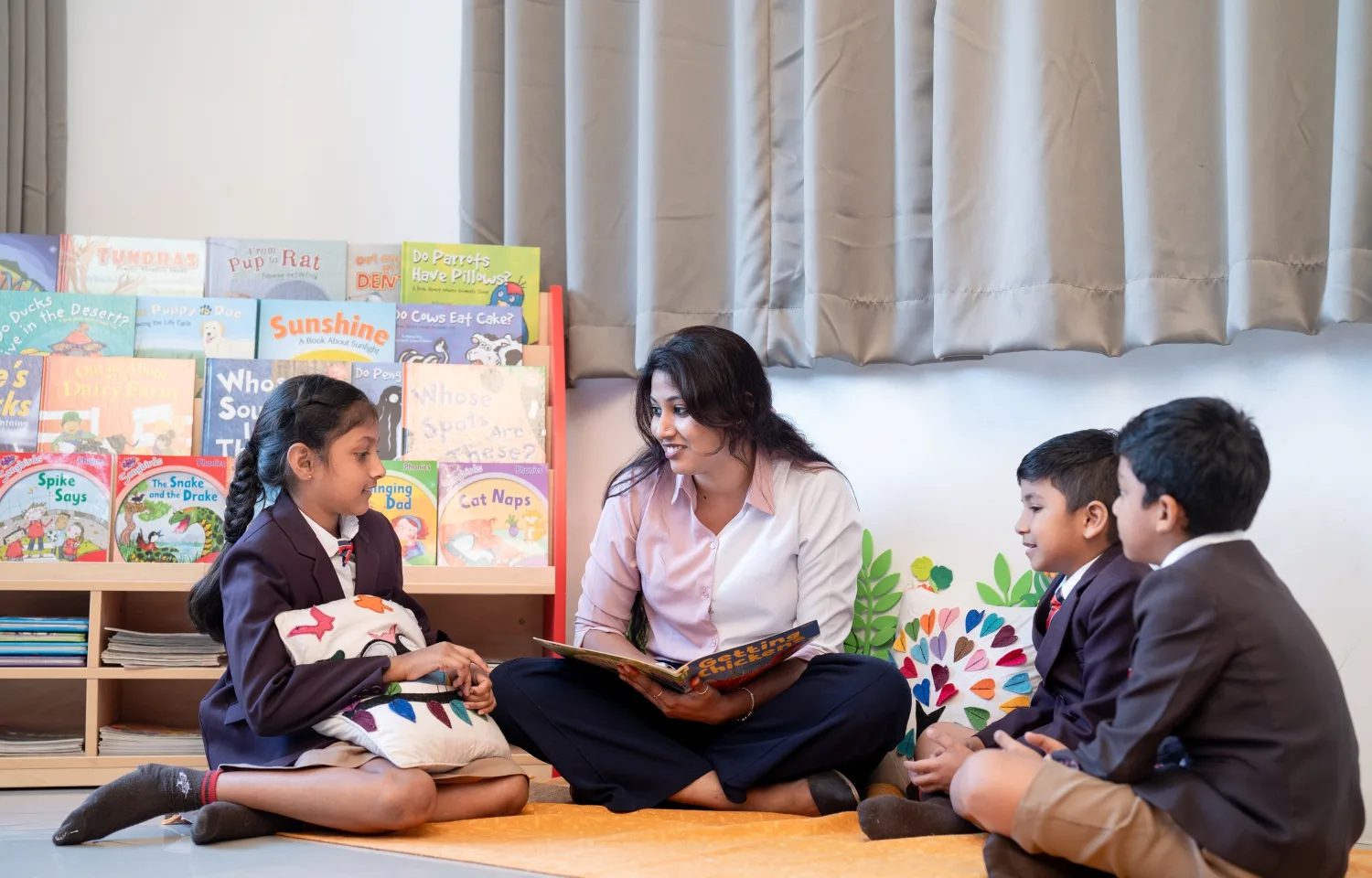
Use of Manipulatives
To aid language development, Skill Stork incorporates manipulatives such as flashcards, story cubes, and visual aids. These tools help students associate words with images, develop sentence structures, and build conversational skills through hands-on and engaging methods.
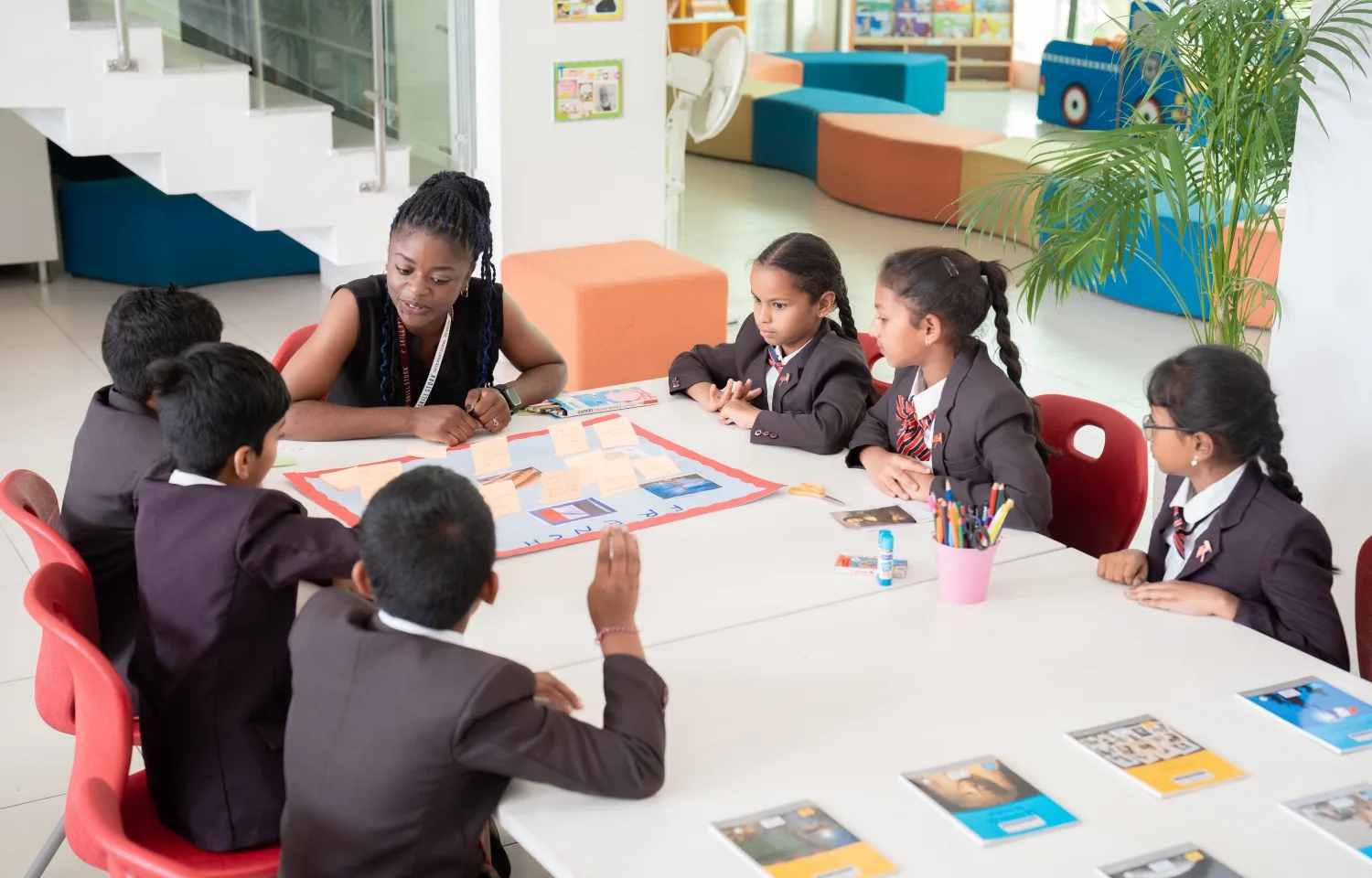
Cross-Curricular Integration
Language learning is seamlessly woven into subjects like history, arts, and sciences to provide context and relevance. By connecting language to broader knowledge, students develop deeper understanding and stronger retention across all disciplines.
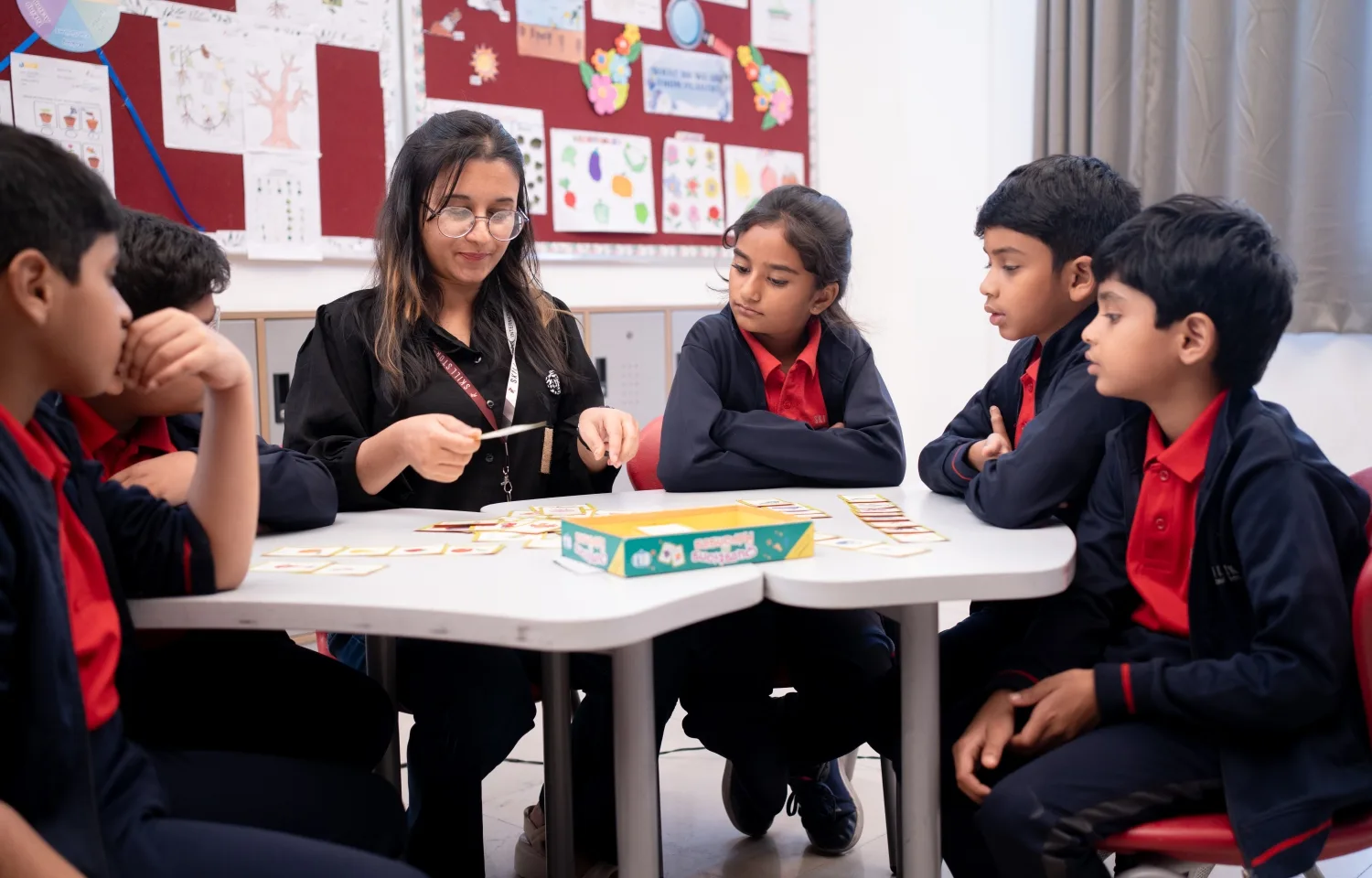
Preparing Students for a Multilingual World
Skill Stork International School understands that multilingualism is not just a skill but a necessity in today's globalised society. By nurturing proficiency in multiple languages, the school prepares its students to excel academically, professionally, and socially while maintaining a strong connection to their cultural roots.
Nurture a Multilingual Future
Discover how Skill Stork's language programme develops confident communicators ready for a globalised world.